
Black Mitcham Peppermint
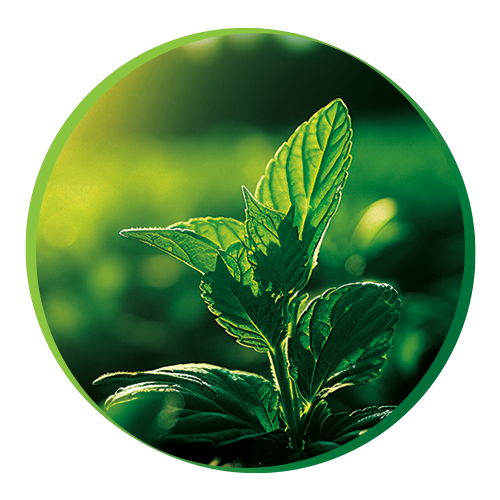
The Black Mitcham Peppermint plant (Mentha x piperita ‘Black Mitcham’) is widely regarded by botanists and master perfumers as the historical gold standard of true peppermint essential oil. Perfect for diffusing, this high-quality oil will fill your space with a fresh and uplifting scent.
Fresh • Anti-nausea • Stress-relief
The origin and history of Black Mitchum Peppermint
The Birthplace (18th Century): The strain originated in Mitcham, Surrey (just south of London, England) during the mid-1700s. At the time, Mitcham was the world center for medicinal herb cultivation and essential oil distilling.
The “Gold Standard” Era: By the 19th century, Mitcham peppermint oil commanded the highest prices on the global market due to its unmatched aromatic purity, softness, and rich flavor complexity compared to wild or lower-grade mint cultivars.
Global Spread & Migration: In the late 1800s and early 1900s, rootstock from Mitcham was exported to North America—establishing the famous peppermint agricultural hubs in the Pacific Northwest (Oregon, Washington, Idaho) and Indiana.
The English Heritage Revival: While verticillium wilt fungal disease wiped out many original English fields in the mid-20th century, heritage growers in Hampshire and Surrey successfully revived commercial cultivation of true Black Mitcham stock in the early 2000s, preserving its legacy for premium aromatherapy and luxury goods.
Black Mitchum Peppermint as an antifungal
The essential oil of Black Mitcham Peppermint (Mentha x piperita ‘Black Mitcham’) is not only prized for its superior olfactory profile, but also for its natural, broad-spectrum antifungal and mold-inhibiting properties. Because of its high concentration of volatile monoterpenes, Black Mitcham oil demonstrates significant vapor-phase antimicrobial activity (VPAA), making it particularly effective when airborne.
Primary active antifungal compounds
The mold and mildew-inhibiting capability of Black Mitcham Peppermint is driven by the synergistic action of its primary chemical constituents:
- Menthol (~40–50%): A potent lipophilic compound that penetrates the lipid bilayer of fungal cell membranes. It disrupts membrane permeability, causes cellular leakage, and inhibits fungal respiration.
- Menthone (~15–25%): Works in tandem with menthol to suppress spore germination and mycelial growth (the vegetative structure of mold).
- 1,8-Cineole (Eucalyptol) & Limonene (Trace to ~5%): Strong botanical terpenes recognized for their ability to neutralize airborne fungal spores and inhibit biofilm formation on surfaces.
Target mold & mildew strains
Research on Mentha x piperita essential oil confirms strong inhibitory effects against common indoor, HVAC, and marine mold species:
| Mold/Fungi Strain | Common location/impact | Inhibition mechanism |
|---|---|---|
| Aspergillus niger: | ductwork, damp walls, HVAC filters (black mold) | inhibits spore germination and colony growth |
| Penicillium chrysogenum: | high-humidity interiors, wallpapers, soft furnishings | disrupts cell membrane integrity, preventing spread |
| Cladosporium sp.: | marine environments, fiberglass, coils, framing | suppresses airborne spore viability spread |
Alternaria alternata: | damp indoor air envelopes, textiles, leather | halts fungal growth cycles and toxin production |
Vapor-phase efficacy (HVAC & FAMU integration)
Traditional liquid fungicides require direct surface application, but Black Mitcham Peppermint oil excels in gas/vapor phase inhibition:
Airborne Spore Neutralization: As cold-air vaporization disperses micro-droplets of pure oil into airflow, the volatile active compounds remain suspended in the air. They bind to airborne mold spores, rendering them non-viable before they can settle on surfaces.
Biofilm Prevention in Ducting: Regular vapor circulation creates an inhospitable microscopic environment along inner duct walls and ventilation networks, preventing mold hyphae from establishing colonies in hidden, high-humidity zones.
Odor Neutralization vs. Masking: Damp or musty odors in air systems are volatile organic compounds (VOCs) produced by active mold growth (Microbial VOCs). Black Mitcham does not simply mask these odors; its active compounds attack the metabolic processes of the fungi producing them.